

My Artifacts
Technology and the Art of Teaching
In the 21st century, technology has revolutionized education, and online schools have become the new trend in learning. Online learning offers students the flexibility to study at their own pace and has become a popular alternative to traditional classroom education. As an online teacher, you have the advantage of being able to pace your class and provide personalized support to your students, as you have more time to focus on each individual student. There are numerous online tools available that can help teachers build a strong online presence and create engaging learning environments. However, it is crucial for online teachers to have a strong foundation of background knowledge and to know which tools are most effective in achieving success in an online setting.
For online students, self-motivation, time management, and active participation in the online classroom are essential for success. As online learning requires more independence and responsibility from students, it is crucial for them to stay organized, manage their time effectively, and stay engaged in the learning process.
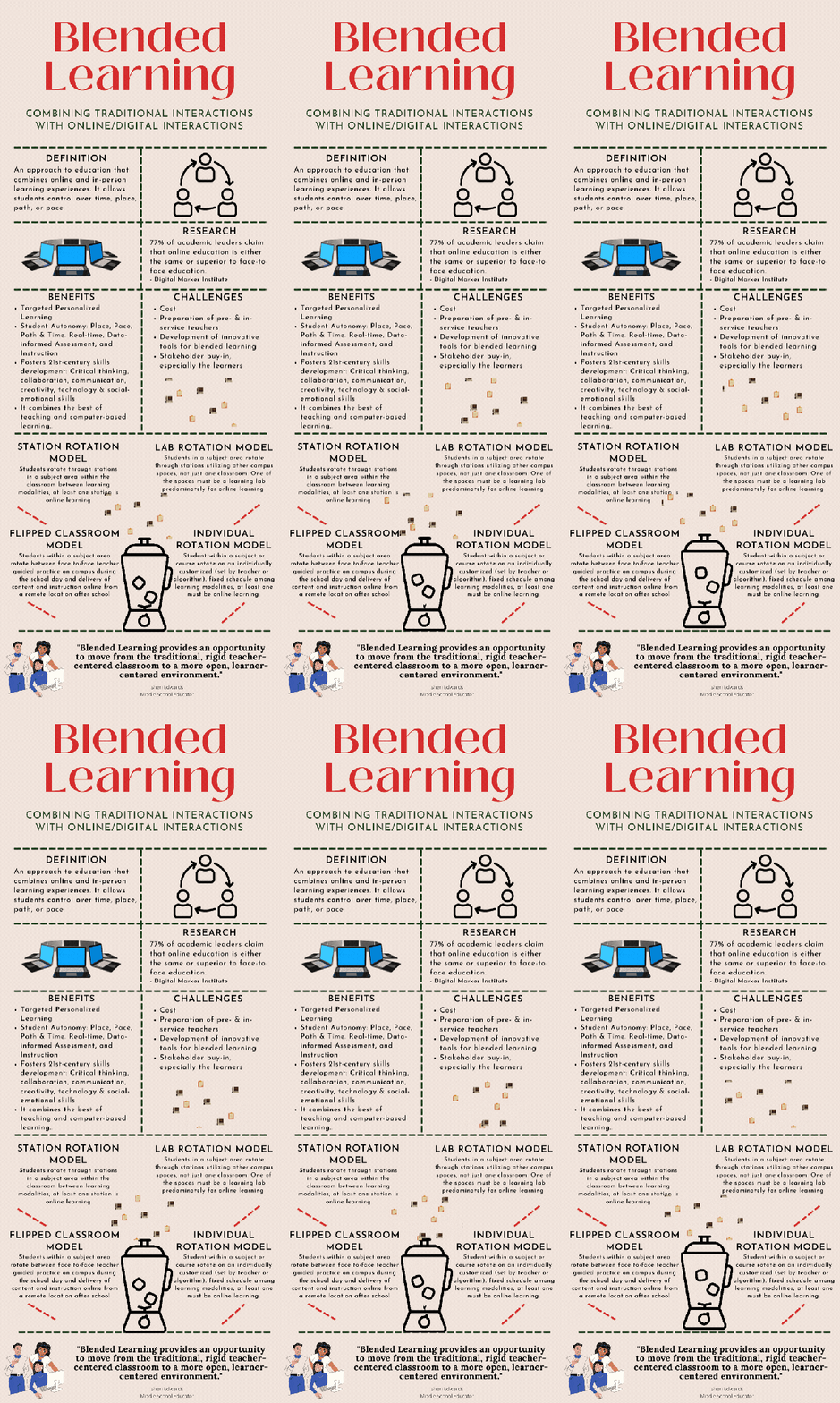
Blended Learning Infographic
Facilitator’s Guide and Quality Starts Here: Guidelines For Blended And Online Learning
Video Editing is an essential aspect of online teaching. This series shows videos I edited and produced during my master’s program. Since these videos, I have produced different videos for my online students.
TLC Workshop
This workshop was based on the ISTE standards to integrate more technology in language acquisition. The workshop emphasized the importance of continuous learning and the improvement of online teaching. This workshop encourages language facilitators to set professional learning goals, pursue their interests, and stay current with research to improve student learning outcomes. They are also expected to collaborate with colleagues and students to discover and share resources, solve problems, and create authentic learning experiences that leverage technology.
The TLC workshop stresses the importance of modeling responsible digital citizenship for students, including promoting safe and ethical practices with digital tools and protecting student data privacy. Facilitators are encouraged to create a learning culture that fosters digital literacy, media fluency, and critical examination of online resources.
Furthermore, during the workshop, facilitators learned to use technology to accommodate learner variability, designing learner-driven activities and environments that maximize active, deep learning. This comprehensive workshop for the TLC language instructors promotes integrating technology into their teaching practices and creating a learning environment that supports student success. By continuously improving their skills and knowledge, modeling responsible digital citizenship, and creating personalized learning experiences, TLC language facilitators can develop better lessons using technology to enhance them.
 Around The World With Mrs. Peterson