

Divergent Thinking: an essential capacity for creativity

“The word divergent is partly defined as “tending to be different or develop in different directions.” Divergent thinking refers to the way the mind generates ideas beyond proscribed expectations and rote thinking—what is usually referred to thinking outside the box, and is often associated with creativity. Convergent thinking, on the other hand, requires one to restrict ideas to those that might be correct or the best solution to a problem.” (Edutopia, Fuel Creativity in the Classroom With Divergent Thinking, Stacey Goodman, 2015.)

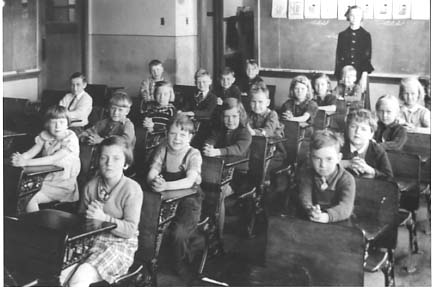
Industrial Economy and Education
The 20th century brought us the industrial economy, pushing for an education reform that would fit the demands of an industrialized society. Students were prepared to work in factories in the mass production of items and food. Creating new jobs was necessary, and students needed to be prepared for the many different positions this economy required.
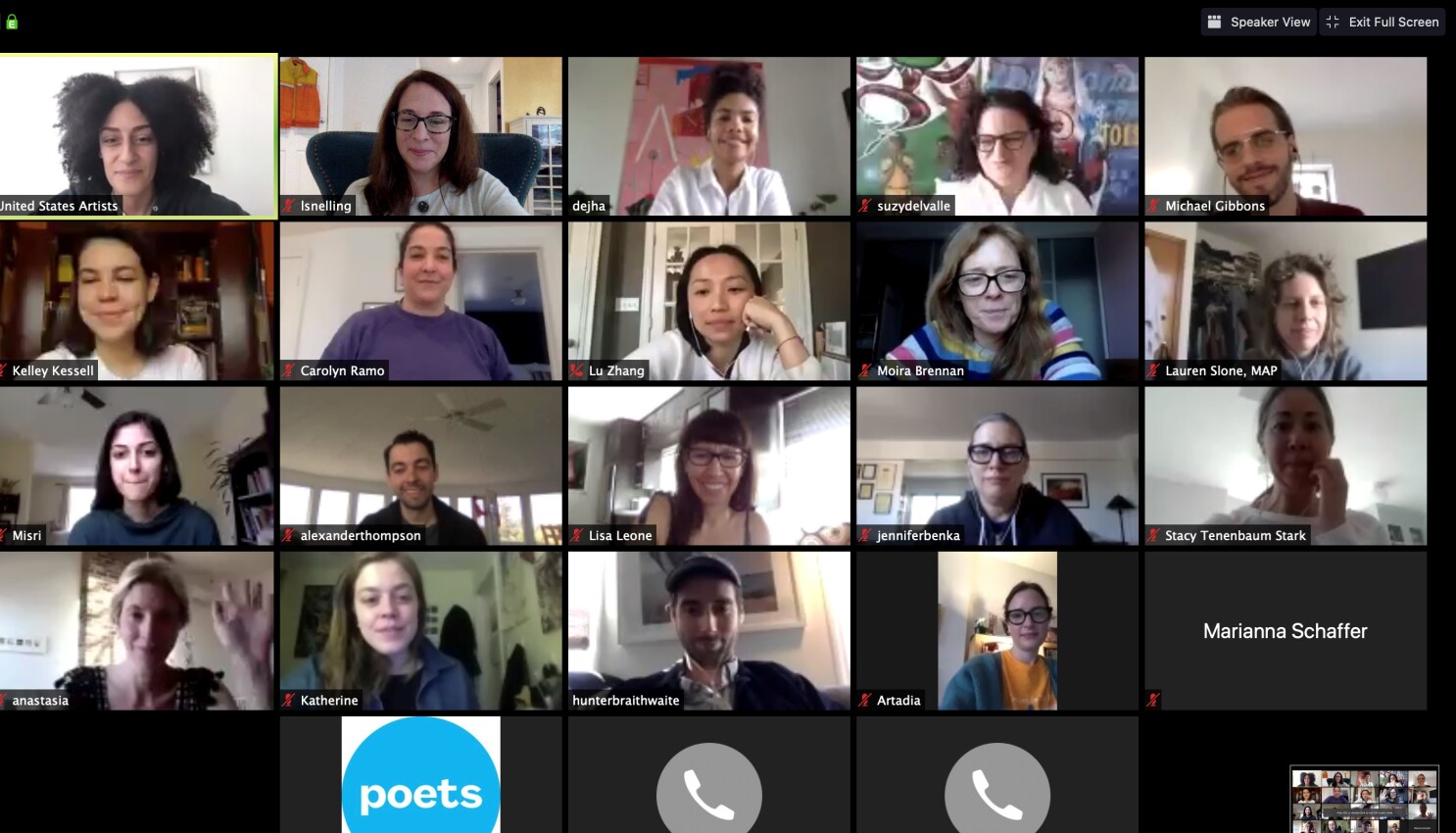
(Artist Relief Fund) Los Angeles Times
Information Economy
The digital world brought us an information economy, where everything can be purchased, planned, or even created with a click of a button. Computers, the internet, and numerous technology resources have globalized our society. Bring us together through a laptop screen or even a cell phone. Home offices have become a norm, and zoom meetings from the comfort of our home have become part of everyone’s work life. A pandemic has normalized cats, dogs, children, and even pajamas in our daily office meetings. Within a year, our society has been pushed to adapt to a new norm of learning and working. Just like the industrial revolution, our 21st-century society requires another revolution. A digital revolution!

Digital Natives
Digital natives are struggling to survive in a system created in the 1900s. Students in the 21st century need to be prepared for the challenges ahead of them. Our education system is failing many of them with an outdated system. Globalization and technology transformed our society, where innovation and critical thinking are essential. Standardization of our education system is not supported by the digital society we live in. A radical transformation of the education system will prepare the next generation for the challenges ahead.
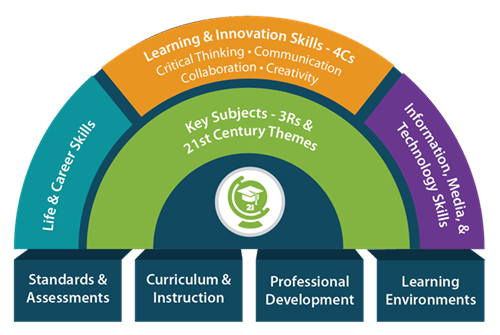
Is it time to think outside of the box? The educational structure of the 20th century is outdated for the 21st-century student. Schools, districts, administrators, teachers, and students are still following a mindset from an educational system set up for the industrialized world of the 1900s. How about an education system for students who are part of a digital world? A new age of education is starting now. Innovation is a must in education; 21st Century skills could answer what our world needs.
“Triggering inquiry is about learning something new, and triggering curiosity is no small feat. It takes modeling enthusiasm, and learning something new generates our own enthusiasm, even if it’s something new about the content we’ve covered for years.”
Language Acquisition using technology and 21st Century Skills
In this activity at the French School of Tashkent, students used 21st-century skills to create a Masterpiece for our school in Tashkent. First, students learned the story “The Princess and the Dragon.” After learning the story, students were divided into groups according to their levels; they used critical thinking to determine what they wanted to do. They decide to produce a video. Then, they created their dialogue for the production. Students recorded using a green screen and a cell phone and used WeVideo to edit the video. The final work was a fun, creative activity, which allowed students to develop their language skills.

 Around The World With Mrs. Peterson