
Online Learning Movement
Technology has played a big part in education in the 21st century. Building background knowledge is essential for an online teacher. Knowing the right tools to use can be the best way to achieve success in an online setting. Major reason for the Online movement, example, online options often provide the ability to work at one’s own pace and to take courses that are otherwise unavailable.
Advanced courses as
well as credit recovery are two of the most common reasons that school districts have made online offerings available to students (Lee et al., 2011).
Additionally, the pandemic has pushed online learning as a significant outlet for students with health issues and other problems.
Another positive outcome from an online school is that students in rural areas, who would never have qualified teachers to teach certain subjects, can find it online.

Administration
Administration plays a significant role in how in-person learning and online learning should be processed. The pandemic accelerated the process, causing districts to search for ways to improve the online teaching setting. Numerous programs are focusing on adapting students to an online environment. Michigan Virtual has one of the largest databases, advancing K-12 education through digital learning, research, innovation, policy, and partnerships.
Aurora Institute is another leading company also focusing on K-12 online education. Many school districts are using their standards for online learning. International Association for K-12 Online Learning (iNACOL) organized a committee of experts with various backgrounds in the field of K-12 online learning to take the lead in refreshing the iNACOL National Standards for Quality Online Courses.
Teacher
Instructing in an online setting can be very difficult due to the lack of physical interaction. For many students, that physical interaction with teachers and peers is essential to learn. But, technology has changed online learning for the best, even with the challenges of not having in-person interaction. Zoom, google meet, Microsoft Team, and other online platforms have given teachers opportunities to interact with students and students with peers. In many cases, even with the tools available online, students will struggle, teachers should be prepared to attend to student’s needs. The following are a few ways teachers can help students to succeed:
- Structured learning environment.
- Communication.
- Online Interaction such as discussion forum, social media, email, etc.
- Tech Savvy.
- Understand Learner Profile.
Student
In an online setting, learning has its pros and cons. Some students will flourish and develop without peer’s interaction, others will struggle without the physical interaction with peers. There are many different challenges on online learning, such as: lack of motivation, lack of access to technology or internet, accountability, etc. How is it possible to help students develop without the interaction in the classroom? A few very important points to successfully help students become the best online version of themselves and achieve success:
- Have a schedule.
- Set reminders.
- Set alarms.
- Parental Involvement.
- Have an agenda with the subjects the students is working on.
- Motivate online presence.
- Dialogue between online peers and instructor.
- Online Learning Skills.
- Self-Regulate.

What did I learn?
Online learning is teacher-led education that takes place over the Internet, with the teacher and student separated geographically.
Supplemental online programs provide a small number of courses to students who are enrolled in a school separate from the online program.
Full-time online schools, also called cyber schools, work with students who are enrolled primarily (often only) in the online school. Cyber schools typically are responsible for their students’ scores on state assessments required by No Child Left Behind, which is the primary way in which student outcomes and school performance are measured. In some states, most full-time online schools are charter schools. The ways in which Keeping Pace counts student numbers. (Watson et al, 2011)
Tailoring Online Instruction to individual Learning Style
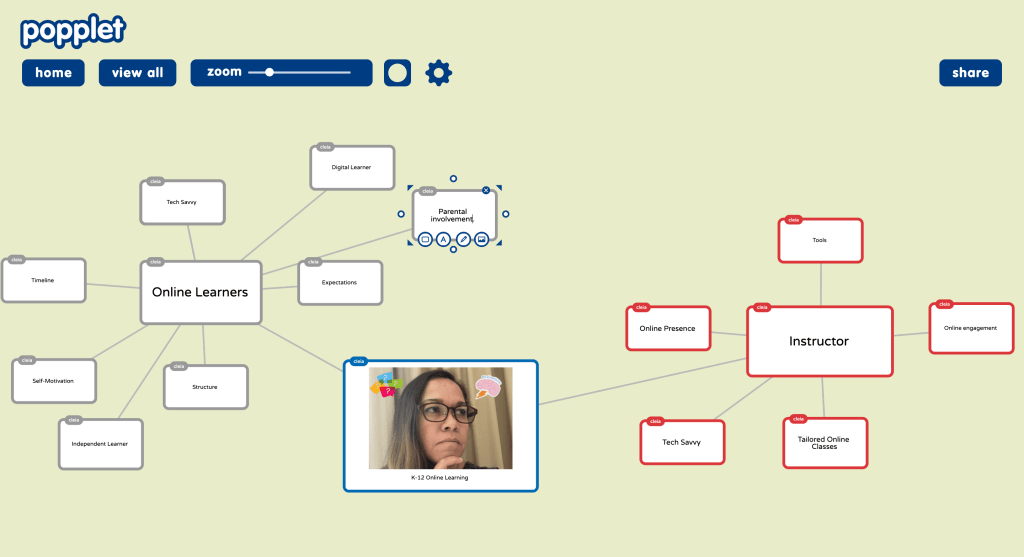
K-12 Online Learning Popplet
Cleia Peterson Online Mapping
https://app.popplet.com/#/p/6715732
Teaching Online
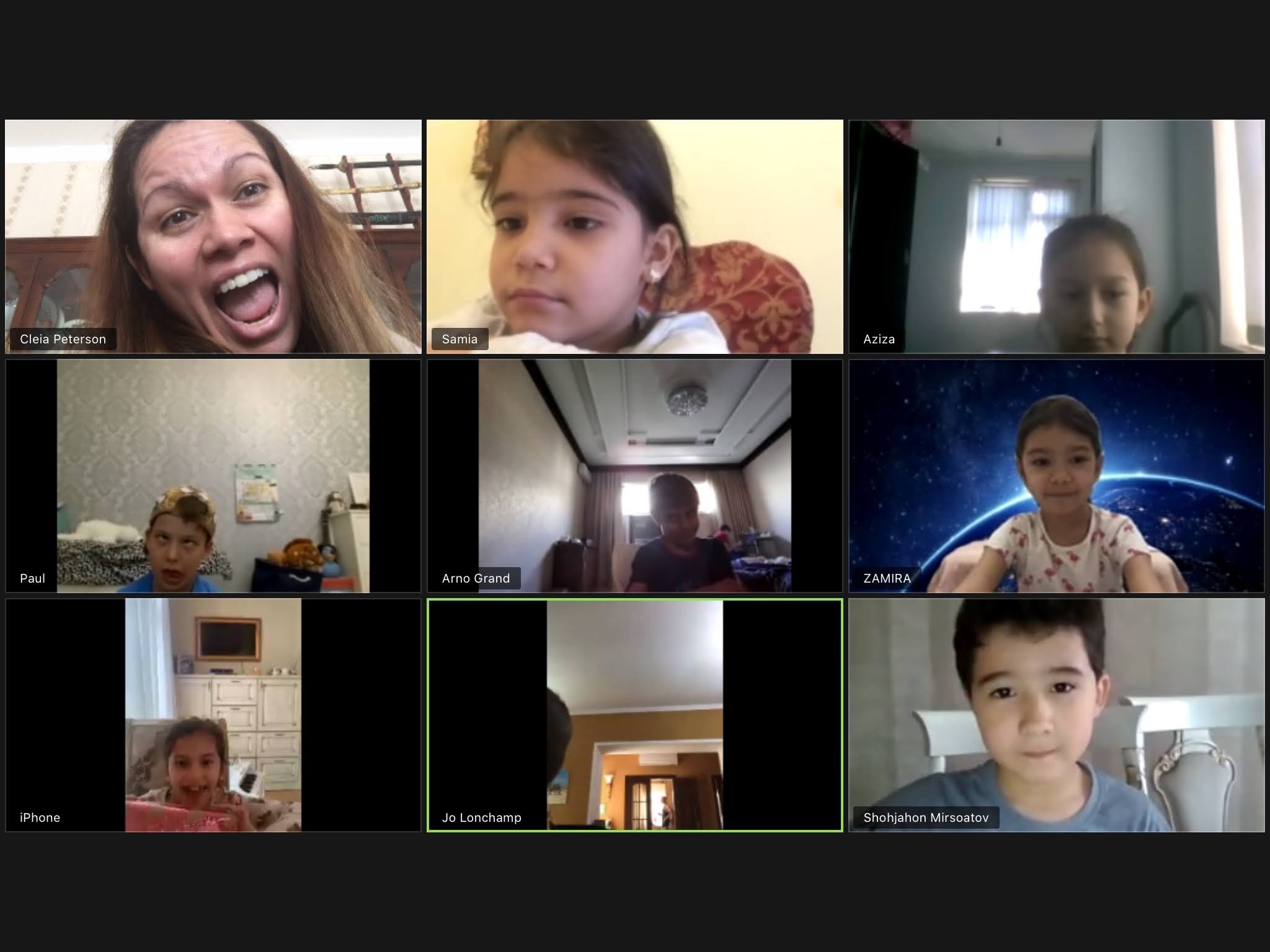
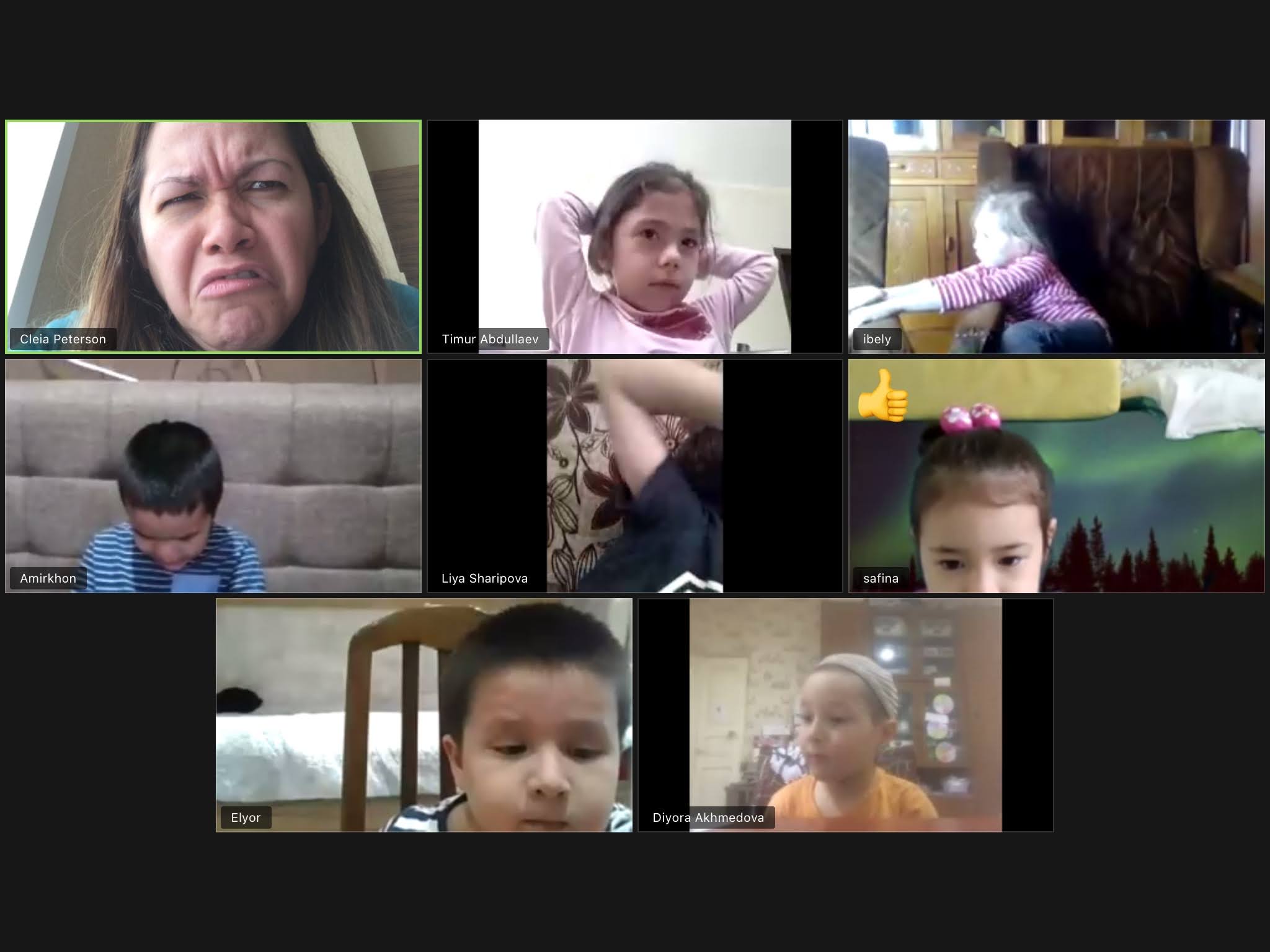

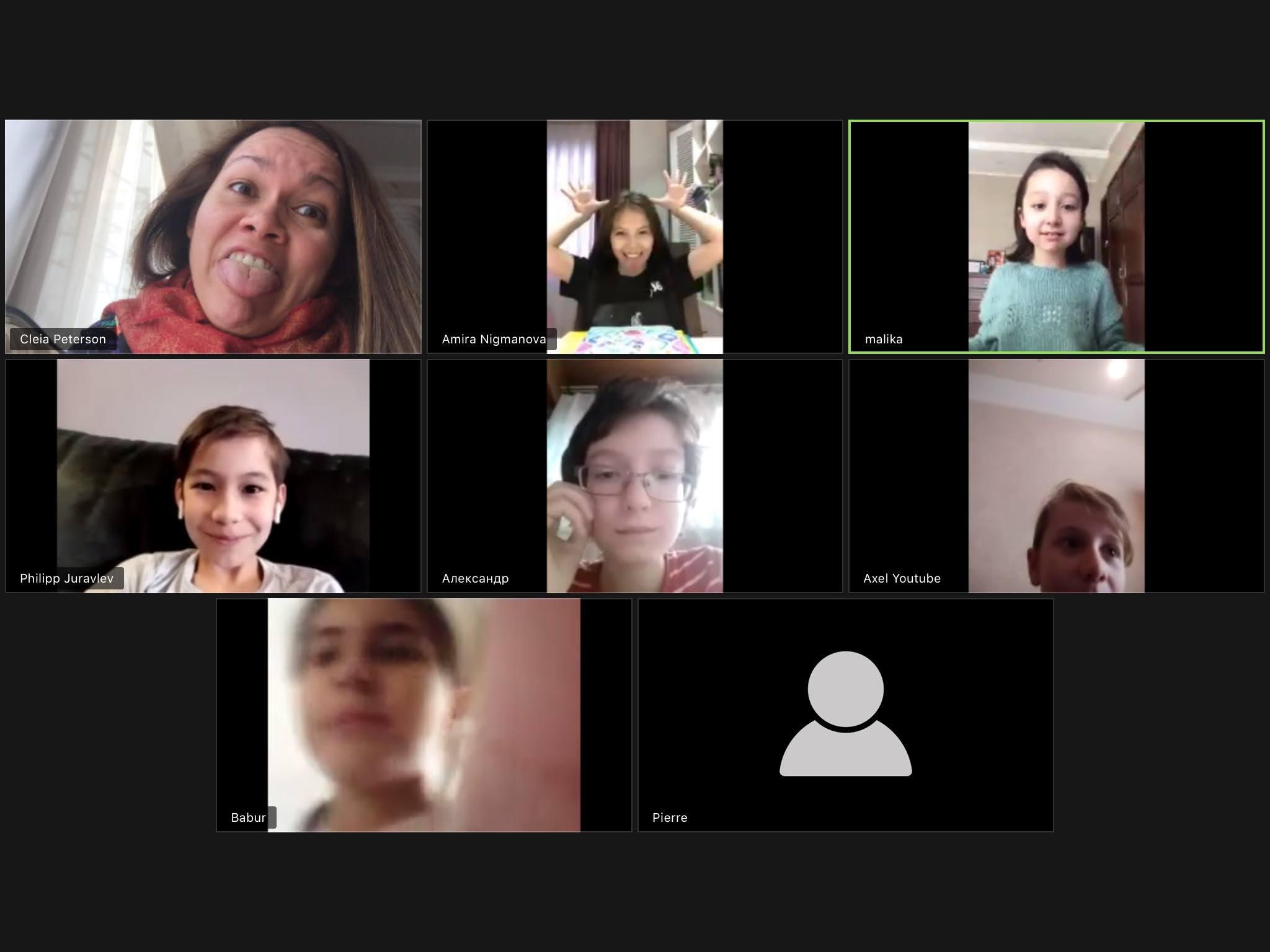
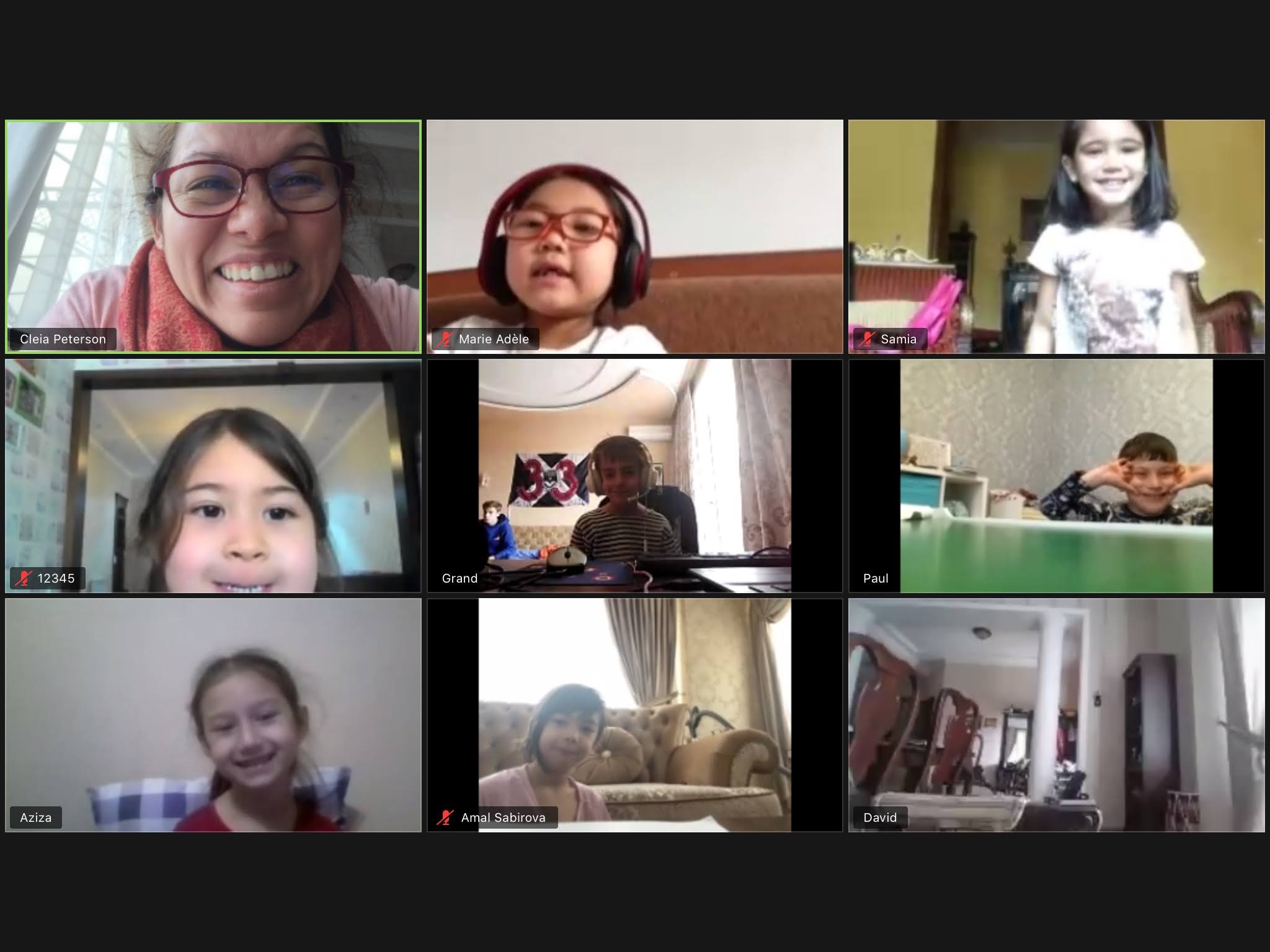
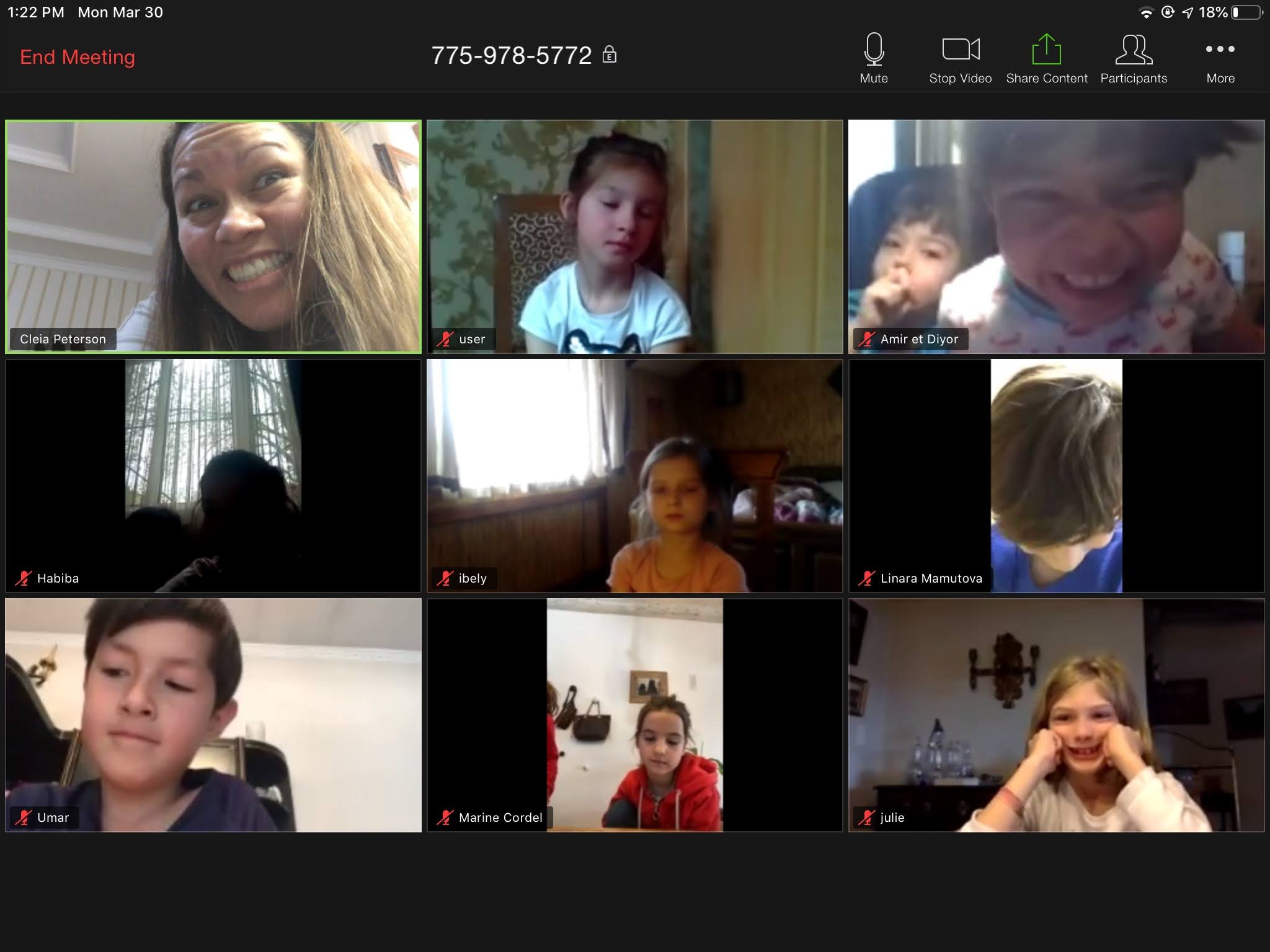
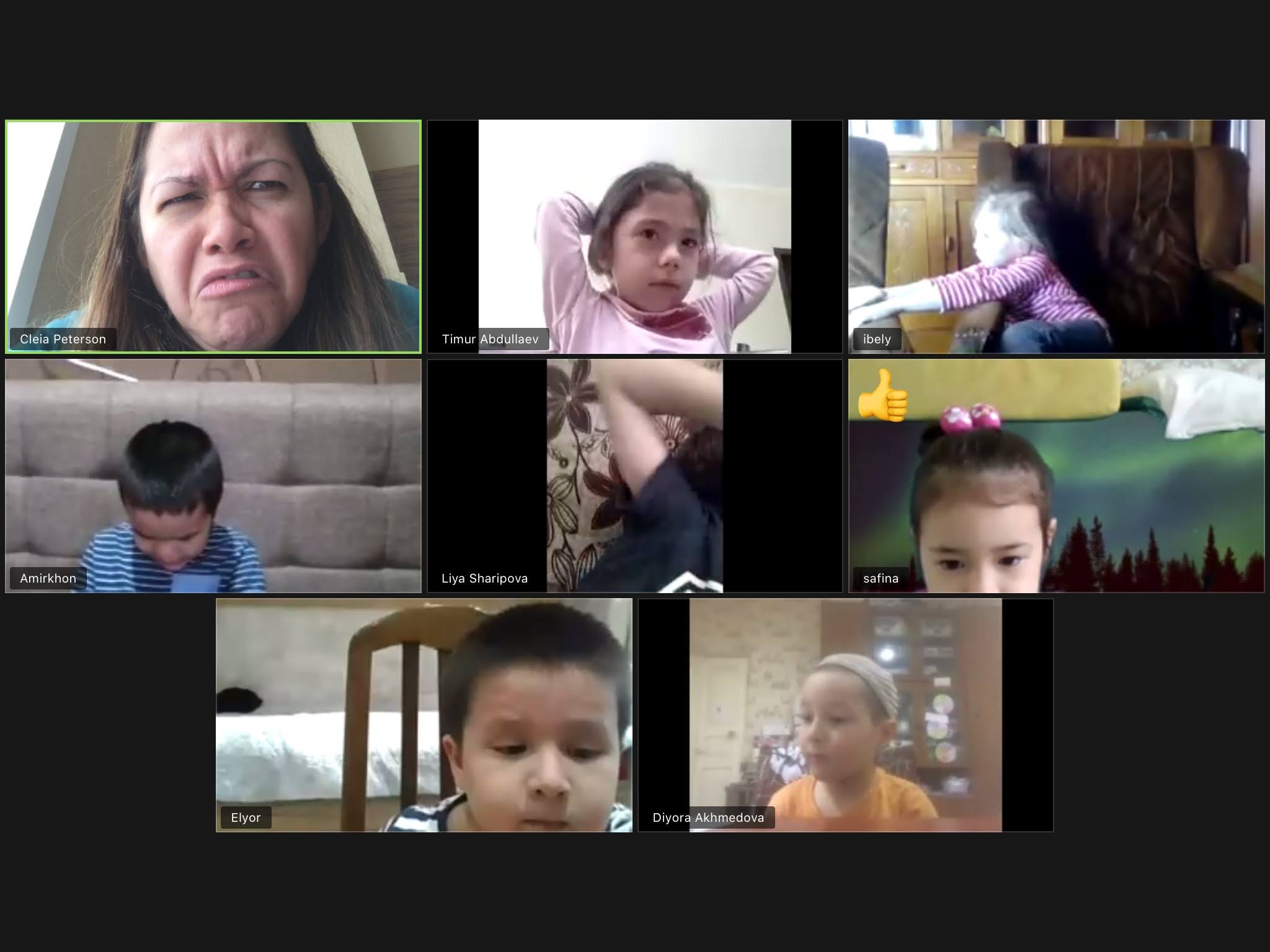
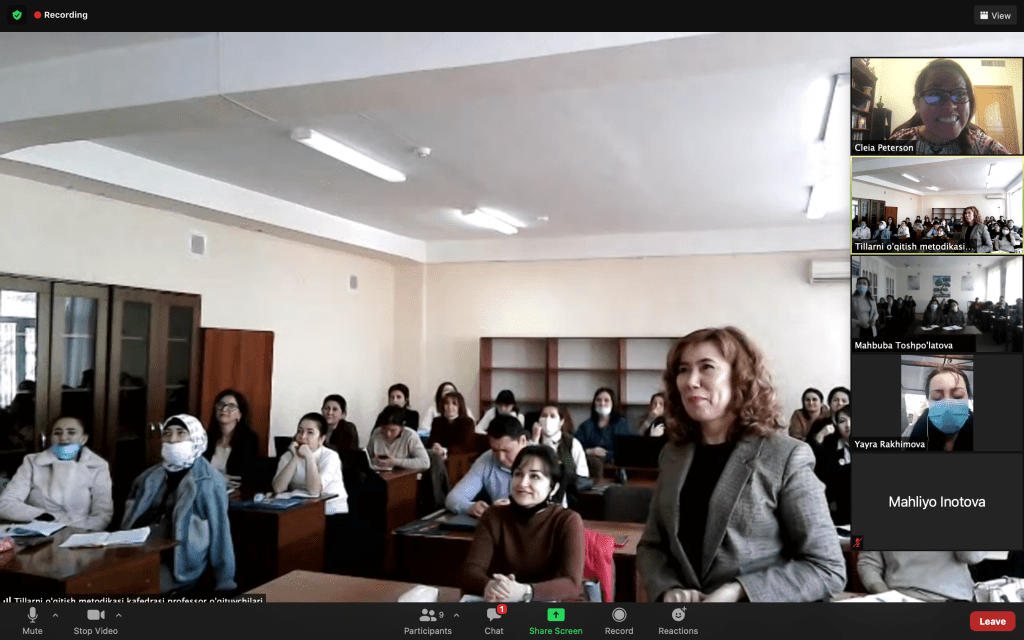
March 16th, 2020 threw me an unexpected challenge, change from in-person teaching to online. I was an elementary English teacher at the French School of Tashkent. The challenge made me step up and start a completely different way of teaching. The main focus was to find ways to interact and help my students to participate. I found it entertaining, but I had more time to check their work and prepare fun and exciting classes. The newfound knowledge guided me to support teachers in Uzbekistan and around the world.
Class environment!
Online learning has many benefits such as work flexibility, different environment, time to reflect, different ways to support students, etc.
Online classroom sctruture
Teachers have time to reflect, evaluate, give feedback, track student’s engagement, set expectations, evaluate, and communicate.
Email, conference call, and feedback in student’s work are a few ways to keep the interaction going in an online setting.
Pros of teaching online
Of course, online classes are different than in-person classroom settings; a significant difference in how teachers interact with students. Even though many people believe that teachers don’t devote as much time to students in the online environment, this could be a myth because teachers have more time to support students’ needs online than in person. It’s a different energy but the rewards could be even better if student engages in the classroom.

Daily Routine
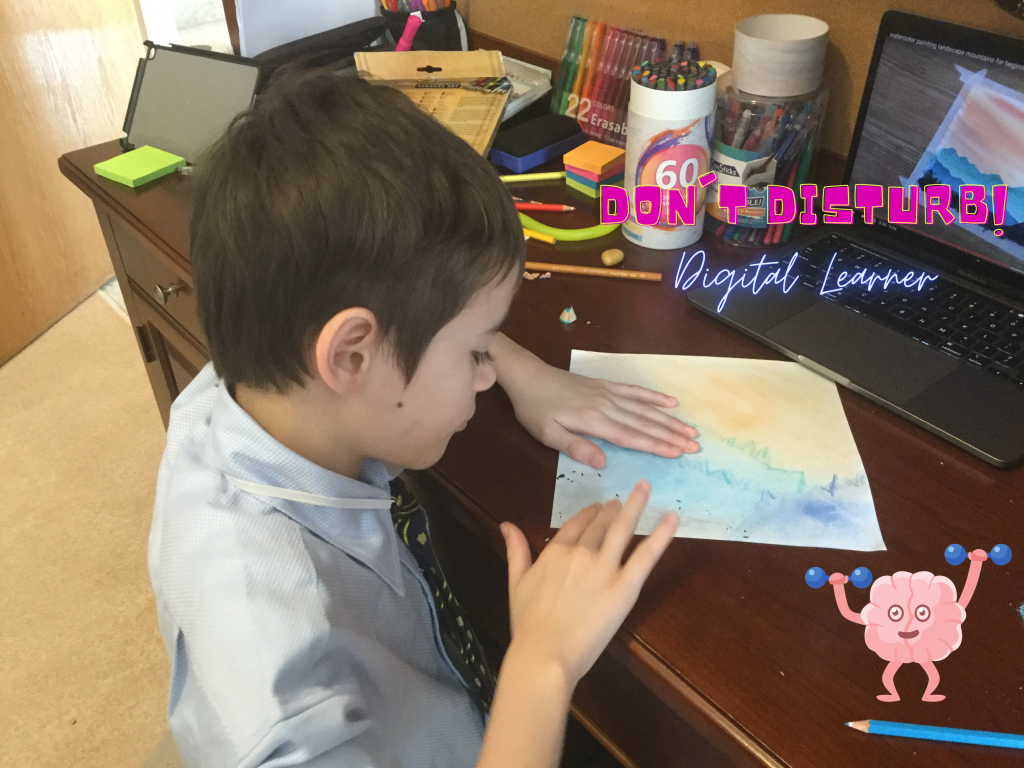
Email, E-learning checks, questions, engagement, assignments, and look through the work they are doing that week are some of the things teachers do daily in an online setting. Student’s work tends to have more quality in an online setting due to the time students have to work on an assignment.
The Pros and Cons of Technology in Education
Anything we do in life, we need to balanced the pros and cons. Technology has played a significant role in education in the past two years since the world faced a worldwide pandemic. Technology was already part of daily classroom life, but the computer became the classroom during the pandemic, bringing questions of how effective online classes are.
Even though non Digital Natives are pushing for less screen time, our digitalized world is pushing education to the next level. A study has found that 3.3 trillion words have been written per day. Everyone has somehow typed, texted, or published something online in a day. Most people have searched or researched something online. How can teachers use technology to their advantage?
 Around The World With Mrs. Peterson